VOICES Palliative and End of Life Care Patient Experience Survey: Insights from Lincolnshire
What we set out to achieve
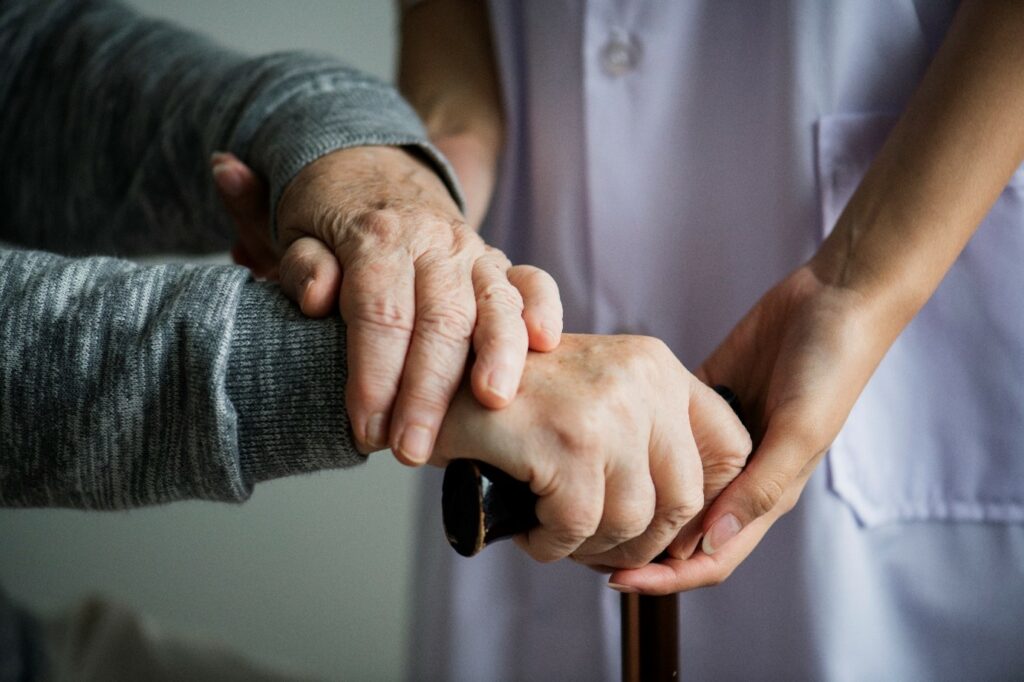
We wanted to hear directly from individuals, families, carers and loved ones about their experiences of using palliative and end of life care services.
This was the third year that the NHS had ran this survey in order to continually compare progress and review services to understand what is working well and what requires improvements across all areas of the palliative and end of life care pathway.
What we did
September 2025, we launched a county-wide public survey and received a total of 222 responses.
- We co-produced the survey questions with the Palliative and End of Life Care Co-Production Group.
- An A5 flier including the survey link and QR code was distributed to a wide range of stakeholders including:- Lincolnshire Voluntary Executive Team, Community Connectors, Hospices in Lincolnshire, Wellbeing Centres, Macmillan Teams, Community Nursing Teams, Bereavement Offices, Lincolnshire Care Association, Funeral Directors, St Barnabas Support Groups, Patient Participation Groups, Healthwatch, Primary Care, Lincolnshire County Council, Lincolnshire Recovery College, Lincolnshire Registration Offices and Lincolnshire Funeral Directors.
- The engagement was actively promoted via social media, newsletters and dedicated web-sites.
- The results of the survey were presented at the Palliative and End of Life Care Co-Production Group and the Palliative and End of Life Care Quality Insight Group highlighting insights.
What you told us
- Most people spent their final months at home, with families heavily involved in care coordination and decision‑making.
- Support from health and social care was often felt to be inadequate, despite families taking on significant responsibility.
- Symptom management at home was positive for some, but experiences were inconsistent overall.
- Gaps in joined‑up care were reported, particularly between services and providers.
- Out‑of‑hours urgent care and GP support were key pressure points and access to home visits.
- Communication issues were common, especially around care planning, changes in condition, and expectations near end of life.
- Community nurses, specialist services, care homes, and hospices received the highest satisfaction, particularly for dignity and respect.
- Hospitals and GP services received mixed feedback, especially regarding emotional support, continuity and discussing dying.
- Nearly half of deaths occurred at home, and most families felt some choice and sensitivity around death itself.
- Bereavement support and after death care were sometimes lacking, with families wanting better communication, clearer next steps and more consistent follow‑up care.
The difference it’s made
This programme of work is still ongoing so keep checking back for more up-dates on how your feedback has made a difference to improve experiences for individuals going through the palliative and end of life care pathway.
So far, your feedback has already made an impact:-
- These insights have been shared with the Palliative and End of Life Care Co-Production Group and Palliative and End of Life Care Quality Group.
- The Palliative and End of Life Care Co-Production Group has developed an action plan looking through the key areas that the group can help influence. The group will be continuing to work on this during 2026/27.
- Palliative and End of Life Care Training has been rolled out across the system. This training follows a 3 stage tiered education and training.
What’s next?
The Palliative and End of Life Care Co-Production Group continue to meet on a bi-monthly basis.
The Palliative and End of Life Care Quality and Clinical Group continues to meet regularly to monitor and support the development and implementation of the improvements across the Palliative and End of Life Care pathway.
Check back for more up-dates as we continue to take forward this work.
‘Let’s talk’ health and wellbeing Lincolnshire – Lincolnshire ICB.