
Vaccinations engagement
What we set out to achieve
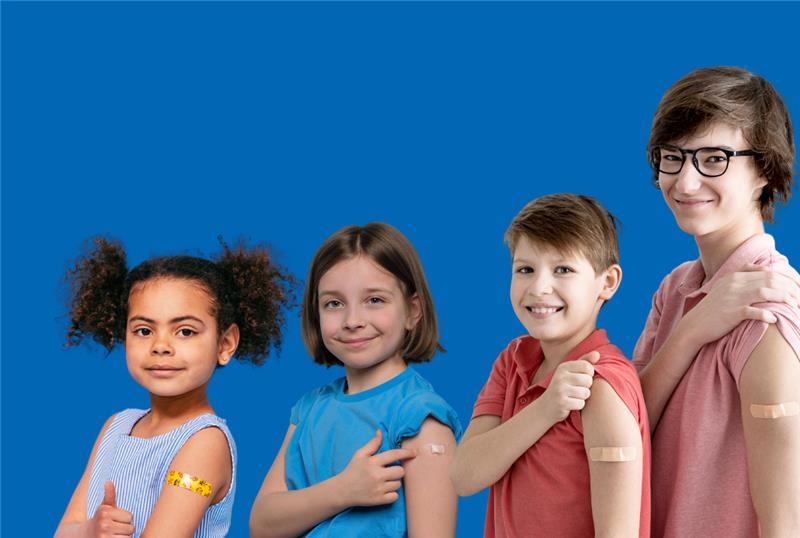
We wanted to hear directly from families and carers to gather their feedback on proposed vaccinations campaign materials.
We wanted to have conversations and test out:-
• What were their thoughts on the draft vaccinations poster and materials.
• Were the images and wording clear and made sense.
• Would the poster/communications materials encourage up-take of vaccinations.
• If not, what would they like to see.
• What do they like about the campaign materials
• Does the information on the posters encourage people to want to find out further information eg, from Practice Nurses/or receive a vaccination.
This engagement formed part of a wider programme of work promoting why vaccinations are important and the safest way to protect ourselves.
What we did
Based on data, the engagement was focussed, targeting 0 – 5 year olds and 5 – 11 year olds Eastern European and Nigerian families with low up-take of vaccinations and in areas of deprivation.
We:-
- Wrote an engagement approach for the project.
- Attended:-
• A multi-lingal group at Boston Children’s Centre.
• A Health community event at Bridge Central, Lincoln.
What you told us
We spoke to 8 people in total including Lithuanian, English, Polish, Latvian and Romanian families.
Key highlights that we heard were:
• Reasons for not vaccinating included children being perceived as fit, healthy and having good immunity, alongside parents feeling well informed and confident about booking if they chose to.
• Reasons for vaccinating focused on protecting children’s health, with information typically received through letters, school communications or GP correspondence.
• Posters were unlikely to influence hesitant families. Participants preferring strong visuals and minimal text and finding longer or more technical wording harder to understand. Strong visual and minimal text were preferred, longer wording and explanations were hard to understand.
• Posters were felt to work best when people have time to read, such as GP practices or children’s centres, not shops. Adding website links/QR codes and avoid images of needles.
• Trusted settings such as GP surgeries, health visitors and children’s centres were preferred sources for vaccination information, either online or through leaflets.
• Booking by text message at GP practices was viewed positively as convenient and easier than telephoning. Some families felt translated materials were not always necessary, depending on confidence using English.
The difference it’s made
The engagement has informed what other assets were required and the future work – for example:-
• Feedback informed improvements to vaccination campaign materials.
• Links were added alongside QR codes to make it easier to access further information.
• Individual posters were developed for each childhood vaccine to improve clarity and relevance.
• Posters and leaflets were distributed to children’s centres, supporting delivery via trusted settings.
• Prevention and vaccination remains a key programme of work for the ICB, with learning from this engagement continuing to inform future communications and outreach.