
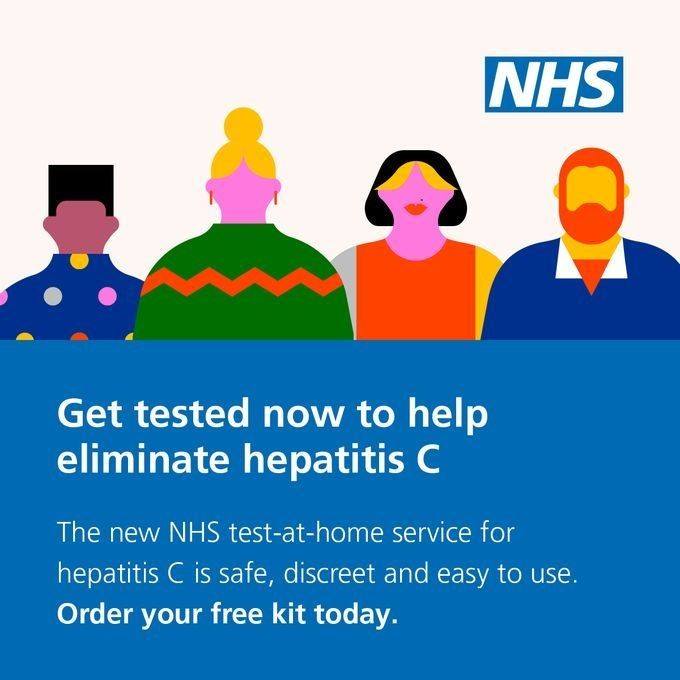
Hepatitis C is a virus spread via blood-to-blood contact with someone with an active HCV virus, which can be treated with a simple course of tablets.
HCV is often symptomless, but if left untreated it can lead to irreversible liver damage and liver cancer. Early detection is vital.
How is hepatitis C is transmitted?
The most common routes of transmission are:
- Those who received treatment with an NHS blood product before 1996.
- Those born or raised in high prevalence countries (Including, for example; South Asia, Egypt, Portugal including Madeira, Russia, Poland and former Soviet republic states including Moldova, Latvia and Romania).
- Tattoos and piercings done in countries or premises where infection control may be poor
- Medical or dental treatment done in countries or premises where infection control may be poor.
- Sharing drug taking equipment for example needles and syringes with someone who already has the virus.
- It can be transmitted from mum to baby during childbirth.
- Sharing razors or toothbrushes with someone who already has HCV.
How to get tested
The virus is detected via a blood test. A simple, free finger-prick self-test can be ordered online and delivered discreetly to your home via this website: Order a Test – HepC.
What if the test is positive?
If you test positive for the Hepatitis C virus, curative tablet treatment called Direct Acting Antivirals (DAA) are available. A course of DAAs lasts between 8-12 weeks and is curative in 98% of patients. If you test positive will be contacted by the Hepatology team based at United Lincolnshire Teaching Hospitals NHS Trust who will arrange this treatment and support for you.
Where can I get more information about the virus?
Hepatitis C – British Liver Trust – (britishlivertrust.org.uk)
The Hepatitis C Trust | Hep C charity – (hepctrust.org.uk)
Hepatitis C – NHS – (nhs.uk)