
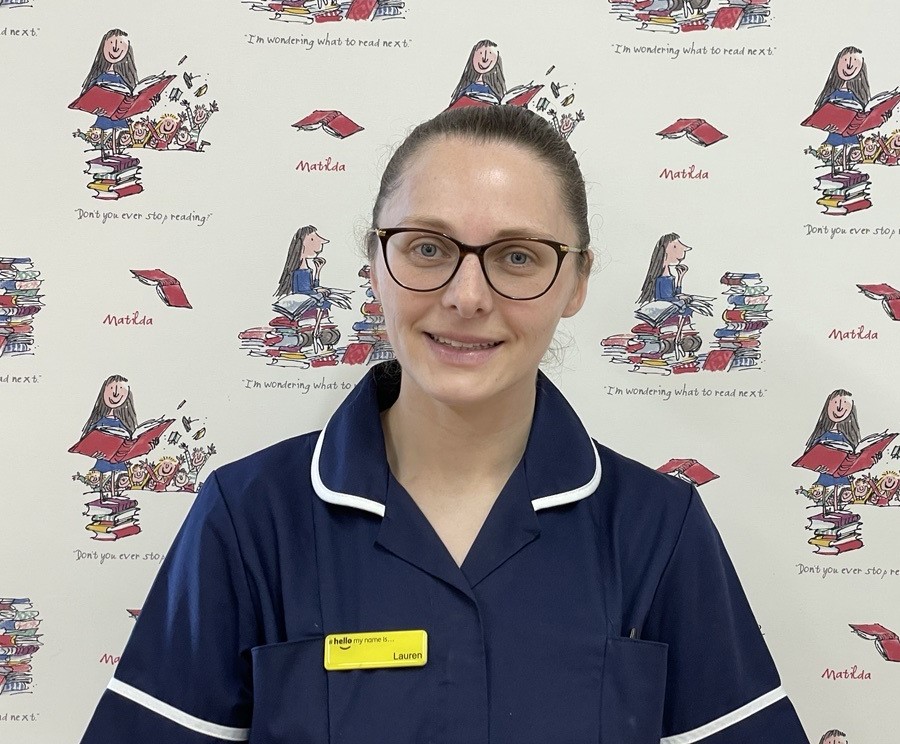
Lauren Douthwaite, Children and Young People Respiratory Nurse at United Lincolnshire Teaching Hospitals NHS Trust provides seasonal advice on how to keep children happy, healthy and bug free.
Children with Asthma
Winter weather can trigger asthma. Colder air causes the muscles surrounding airways to contract and this can make breathing more difficult and asthma attacks more likely.
Colds, flu and respiratory infections, which can make asthma symptoms worse, are also more common in the colder months.
If your child has asthma, here are some steps to help them stay well over the winter:
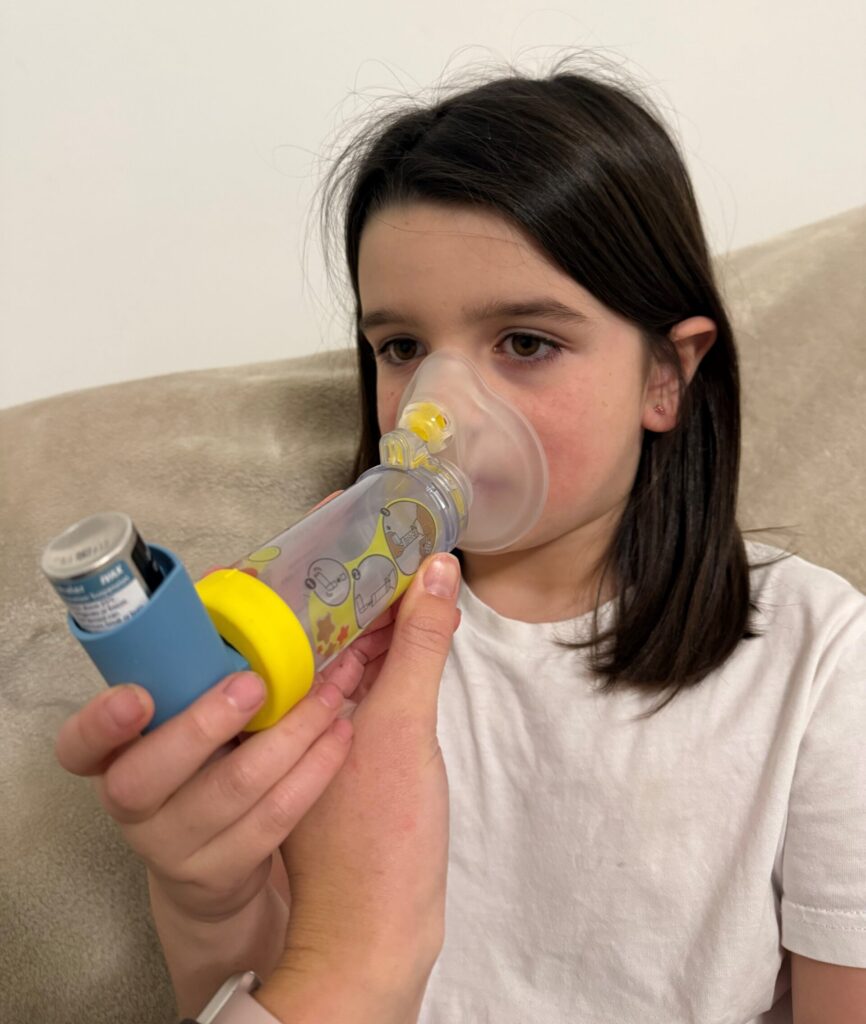
- Stick to your child’s preventer routine and follow their written asthma action plan. This will help you stay on top of their asthma during the winter months.
- Ensure your child always has their reliever inhaler with them, so they can act quickly if cold weather triggers their asthma.
- If they need to use their reliever inhaler more than three times a week, make an appointment with their asthma nurse or doctor to review their asthma plan.
- Talk to teachers about your child’s asthma triggers, including cold weather. Give the school a spare reliever inhaler and spacer for your child to use if their asthma symptoms come on at playtime or during P.E.
- Make sure your child has had their asthma annual review at their GP practice and ask for a copy of their personalised asthma action plan.
- If it is cold outside, give your child a scarf to wear loosely over their nose and mouth. It warms the air they breathe in, so they’re less likely to get asthma symptoms.
- Your child will be offered a flu vaccination at school. If they have not had it, please contact your GP practice.
Preventing winter illnesses
Winter means chillier days and more indoor gatherings and seasonal social events with friends and family. It’s therefore the ideal time to revisit the current guidance on hygiene, vaccination and other behaviours that can reduce the spread of FLU and other respiratory infections known to peak at this time of year.
Make sure you:
- Let fresh air in if meeting other indoors.
- Practice good hygiene such as:
- Washing your hands with warm, soapy water.
- Covering and catching your coughs and sneezes – use disposable tissues and throw them away immediately after use.
- Clean your surroundings frequently.
- Consider wearing a face covering.
- Get vaccinated if eligible. Vaccinations that children may have that help prevent respiratory illness are for Flu, Hib/MenC, and Pneumococcal.
Is my child too ill for school?
Current guidelines for parents say that it’s fine to send your child to school with a minor cough or common cold. However, children should not be sent to school if they have a temperature
of 38°C or above, or if they feel unable to go to school or do their normal activities. See the NHS ‘Is my child too ill for school?’ guidance for further information.
Children and young people – Lincolnshire ICB | Stay Well Lincolnshire – Lincolnshire ICB | Choose Well Lincolnshire – Lincolnshire ICB.