
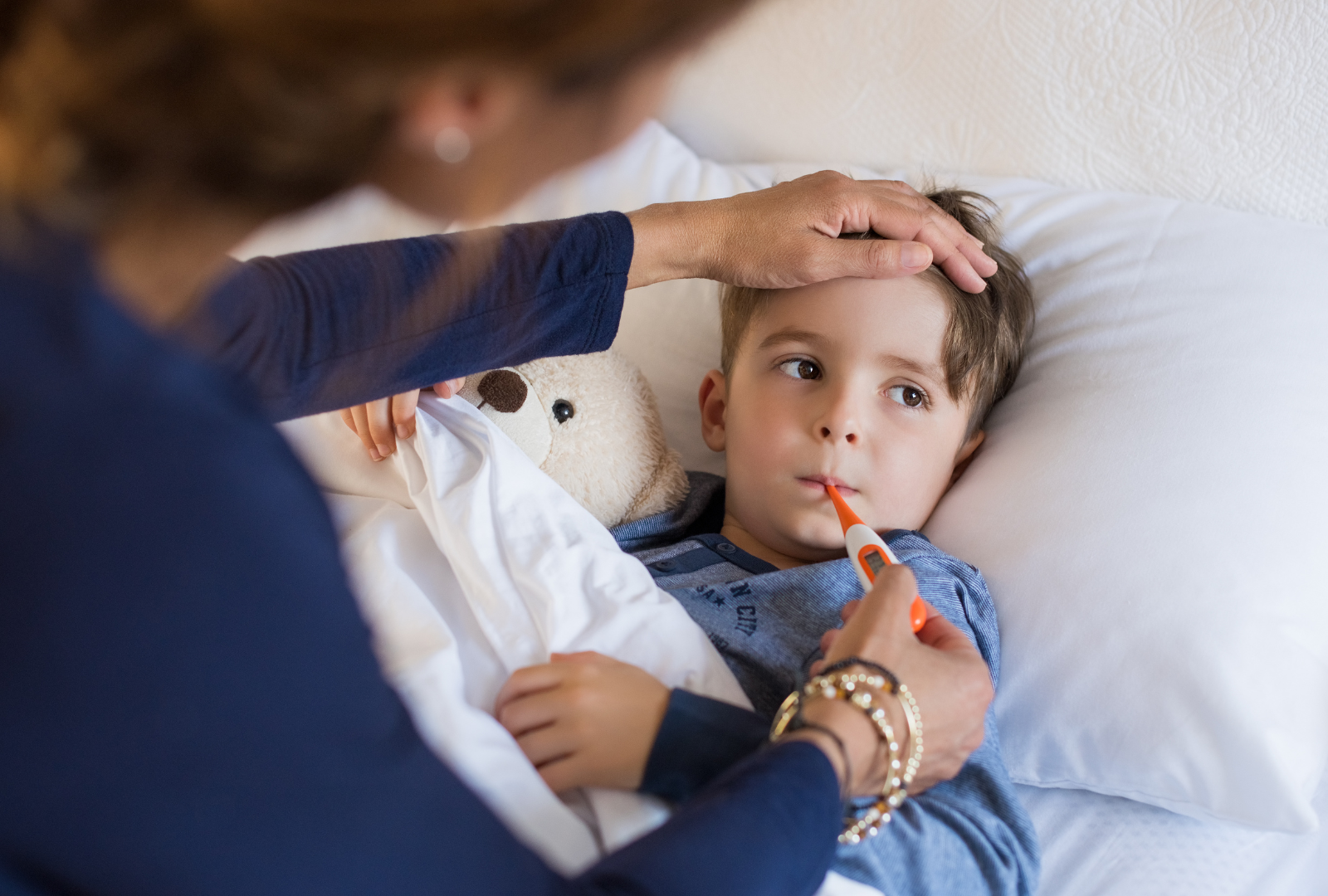
With just under two months of the current flu vaccination campaign to go, the NHS in Lincolnshire is reminding parents and guardians of children aged 2 or 3 (on 31 August 2025) that they still have time to get their flu vaccine.
The nasal flu spray offered to 2 and 3 year-old children is quick, painless, and highly effective, and usually takes around 14 days to work.
“We’ve had a really good response from eligible people to this year’s flu campaign,” comments Kerrie Linger, Assistant Locality Lead – Vaccination Programme Team, NHS Lincolnshire ICB. “However, one group where the numbers of vaccinations could do with being a little higher is 2-3 year-olds.
“Fortunately, as well as being easy to give, even to very young children, it is also easy to arrange for your 2-3 year-old to have their nasal flu vaccination. You can contact their GP surgery to book an appointment, book a free vaccination at a pharmacy online or via the NHS App or find a pharmacy that offers free NHS flu vaccinations where your child can get vaccinated without an appointment.”
Side effects are generally mild and can include a runny nose, headache, or reduced appetite, typically for a day or two.
“Flu can make young children and toddlers seriously unwell, and getting them vaccinated is the best way to protect them. Even though we’re within the last two months of the current flu campaign and numbers of cases are steadily coming down, it is still worth getting your child vaccinated,” adds Kerrie.
The option to visit your local pharmacy for your 2-3 year-old’s flu vaccination is new for the current flu vaccination campaign and is designed to make it as easy possible to access the flu vaccination.
“Getting your child vaccinated against flu offers them the protection they need at this time of year, so please visit your local GP practice or pharmacy and get your 2-3 year-old vaccinated before the end of March,” concludes Kerrie.